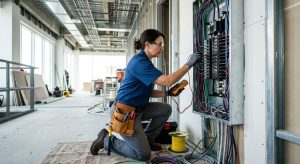
An electrical safety inspection is one of the most valuable and most overlooked things a homeowner can do, because it finds the problems that cause fires and failures while they are still small, hidden, and cheap to fix. Most people never have their electrical system professionally inspected until something goes wrong or a home sale forces the issue — yet the whole point of an inspection is to catch the loose connection, the overloaded circuit, or the aging panel before it becomes an emergency. This guide explains what an electrical safety inspection covers, when you should get one, what an inspector looks for, what it costs, and why it is worth far more than it costs.
What an Electrical Safety Inspection Is
An electrical safety inspection is a thorough, systematic evaluation of your home’s electrical system by a licensed electrician, checking the panel, wiring, outlets, switches, grounding, and safety devices against current safety standards. It is not a repair visit — it is a diagnostic one, designed to identify hazards, code issues, and components nearing the end of their safe life, then give you a clear picture of what is sound, what needs attention, and what is urgent.
The value of an inspection is that most serious electrical problems develop invisibly. A connection loosens and begins to heat inside a wall or panel; a circuit is gradually overloaded as a household adds devices; a panel ages or corrodes. None of this announces itself until it fails — often as a tripped breaker that will not reset, a burning smell, or worse. An inspection brings these hidden issues into the light while they are still inexpensive to address, which is exactly why it is preventive rather than reactive. It is the electrical equivalent of a checkup, and it connects to residential electrical services when issues are found.
When You Should Get an Inspection
Certain situations make an electrical safety inspection particularly worthwhile, and knowing them helps you time one well:
- Buying or selling a home. An inspection reveals the true condition of the electrical system before money changes hands.
- An older home that has never been inspected. Decades-old systems are most likely to harbor hidden, aging issues.
- After DIY or unpermitted work. Past amateur work is a common source of hidden hazards.
- Before a major addition. Adding an EV charger, AC, or appliances means confirming the system can support it.
- When warning signs appear. Frequent tripping, warm outlets, flickering, or buzzing all warrant a look.
- Periodically, as maintenance. Even a sound system benefits from a periodic check, more often for older homes.
- For insurance. Some insurers ask for an inspection, especially for older homes or flagged panel brands.
If any of these apply — and for most homeowners at least one does — an inspection is a sound investment. It is especially worthwhile for older homes, which carry the most hidden risk, and before any project that adds significant electrical load.
What the Inspector Looks For
A thorough electrical safety inspection covers the whole system, and understanding what is checked shows why it is comprehensive:
The inspector evaluates the panel’s condition, brand, and capacity, the breakers and their sizing, and any signs of heat, corrosion, or damage. They check the wiring type, age, and condition; outlets, switches, and connections; and whether GFCI and AFCI protection is present where current standards require it — in kitchens, bathrooms, garages, and outdoors for GFCI, and on many circuits for AFCI. They verify grounding and bonding, check the status of smoke and carbon monoxide detectors, and note any visible code or safety issues. The result is a clear report of what is sound and what needs attention, prioritized by urgency, so you can address the genuine hazards first.
“An inspection is the cheapest insurance there is. I go through the whole system and most of the time I find something the homeowner had no idea about — a connection running warm, a panel that is a flagged brand, missing GFCI where it should be. None of it was visible to them. Catching those at an inspection costs a fraction of what they cost as an emergency, and that is the entire point of doing one.”
— Jose, Local Trusted Electricians
What You Get and Why It’s Worth It
The deliverable from an inspection is information — a clear, honest picture of your electrical system’s condition and a prioritized list of what, if anything, needs attention. That information is genuinely valuable: it lets you address real hazards before they fail, plan and budget for upgrades rather than being forced into emergency repairs, and make informed decisions when buying, selling, or improving a home. For an older home especially, it can also surface the kind of issue — a flagged panel, missing protection — that affects insurability.
The economics strongly favor inspection. The problems an inspection catches — a warm connection, an overloaded circuit, an aging panel — are inexpensive to fix when caught early and expensive, even dangerous, when left until they fail. Set the modest cost of an inspection against the cost of an electrical fire, an emergency call, or a failed home sale, and the value is clear. An inspection does not obligate you to fix everything at once; it simply tells you the truth about your system so you can act on it sensibly, addressing the urgent items first and planning the rest.
Electrical Safety Inspection Cost
An inspection is inexpensive relative to what it protects:
| Item | Typical Cost | Notes |
|---|---|---|
| Standard home electrical inspection | $150 – $400 | Varies with home size and scope |
| Older / larger home inspection | $300 – $600 | More to evaluate |
| Pre-purchase / pre-sale inspection | $150 – $500 | For a real estate transaction |
| Inspection with a written report | Often included | Prioritized list of findings |
| Follow-up repairs | Quoted per finding | Address urgent items first |
Cost varies with the size and age of the home and the depth of the inspection, but in every case it is modest next to the value of knowing your system is safe — or knowing precisely what needs attention before it becomes a hazard. The honest framing is that an inspection is preventive spending that almost always saves money by catching problems early, and it buys genuine peace of mind. For an electrical safety inspection, contact Local Trusted Electricians, serving Long Beach, Anaheim, and La Habra. If a finding involves plumbing, our partner network includes a plumber in Irvine.
Inspections When Buying or Selling a Home
A home sale is one of the situations where an electrical safety inspection earns its cost most clearly, and it matters for both sides of the transaction. For a buyer, an inspection reveals the true condition of a system that is otherwise invisible behind the walls — whether the panel is sound and adequately sized, whether the wiring is safe, whether there are flagged components or missing modern protection. That information can affect the price, the negotiation, or the decision to buy at all, and it prevents inheriting expensive hidden problems.
For a seller, having an inspection done before listing turns a potential negotiating weakness into a known quantity. Addressing or at least disclosing electrical issues up front avoids surprises during the buyer’s inspection that can derail a sale or force last-minute concessions. For older homes especially, where buyers and their lenders or insurers may have concerns about the electrical system, a clean or clearly documented inspection smooths the transaction. In a real estate context on either side, the modest cost of an inspection is small against the size of the transaction it informs, which is why it is so routinely worthwhile.
Why Older Homes Need Inspections Most
Older homes carry the most hidden electrical risk, and that is exactly why they benefit most from inspection. A system that has been in service for many decades has had time for connections to loosen and char, for insulation to dry and crack, for the panel to age or corrode, and for a succession of owners to add circuits, devices, and sometimes unpermitted modifications that no one has ever evaluated as a whole. Each of those is a potential hazard, and none of it is visible from the living space.
Older homes are also more likely to contain the specific components that warrant attention: flagged panel brands whose breakers may not trip reliably, older wiring types with documented risks, ungrounded circuits, and a general absence of the GFCI and AFCI protection that modern standards require. An inspection catalogs all of this and tells you which items are urgent, which are worth planning for, and which are simply worth knowing about. For anyone living in or buying an older home that has not been professionally evaluated, an inspection is among the most worthwhile electrical decisions available — it converts decades of unknowns into a clear, actionable picture.
After an Inspection: Acting on the Findings
An inspection’s value is realized in what you do with it, and the right approach is measured rather than alarmed. A good inspection report sorts findings by urgency, and that ordering is your guide. Genuine hazards — a connection running warm, a flagged panel, missing protection in a wet area — should be addressed promptly, because those are the items that cause fires and shocks. These are worth prioritizing regardless of budget, and a reputable electrician will be clear about which findings fall into this category.
Other findings are improvements rather than emergencies — items that bring the home up to current standards or add capacity but are not immediate dangers. These can be planned and budgeted over time, addressed during other work, or scheduled at your convenience. The point of an inspection is never to pressure you into fixing everything at once; it is to give you an honest, prioritized picture so you can act sensibly — urgent items now, improvements as it suits you. That clarity, more than any single repair, is what makes an inspection worth far more than it costs.
An inspection is also the cheapest insurance you can buy against a failed real-estate transaction. Buyers’ inspectors flag electrical defects constantly, and a deal that stalls late over an ungrounded panel or a double-tapped breaker costs far more in delay, renegotiation, and stress than catching the same issue months earlier on your own terms. Sellers who inspect before listing control the narrative and the timeline instead of reacting to a buyer’s report.
For landlords and small commercial operators, a documented inspection cycle is part of basic liability hygiene. If an electrical fault ever causes damage or injury, the difference between a paper trail showing routine professional inspection and no records at all can shape how an insurer or a court views the situation. Treating inspections as a scheduled maintenance item, the way you would an HVAC tune-up, keeps that record current.
The risk that inspections exist to catch is well documented. The National Fire Protection Association estimates U.S. fire departments respond to roughly 46,650 home structure fires a year involving electrical failure or equipment, causing an estimated 527 deaths and about $2.4 billion in property damage annually — much of it from hidden, preventable problems. The Electrical Safety Foundation International reports electrical malfunctions are among the leading causes of home fires, with arcing at faulty connections a frequent heat source an inspection can catch. The U.S. Fire Administration documents electrical failures as a persistent residential fire cause, especially in older homes. The U.S. Consumer Product Safety Commission has documented the risks of flagged panel brands an inspection identifies. The U.S. Bureau of Labor Statistics projects electrician employment growth of about 11 percent through 2033.
Why Homeowners Trust Local Trusted Electricians for Safety Inspections
An electrical safety inspection is only as good as the honesty behind it — a clear report of what is genuinely sound, what needs attention, and what is urgent, without inventing work that is not needed. That is the standard we hold on every inspection: a thorough evaluation of the whole system and a prioritized, honest report you can actually act on, so you fix the real hazards first and plan the rest sensibly.
We inspect homes across Long Beach, Anaheim, and La Habra, from newer houses to the older stock that carries the most hidden risk. Whether you are buying or selling, planning an upgrade, seeing warning signs, or simply want to know your system is safe, we will give you a clear picture and straight answers. Contact Local Trusted Electricians to schedule an electrical safety inspection.